A blood test can look perfectly ordinary until one unfamiliar word suddenly makes you pause. Transaminitis is one of those terms that sounds serious, technical, and a little frightening when it appears in a medical note or lab discussion.
In plain language, it means that certain liver enzymes—mainly ALT and AST—are higher than expected in the blood. These enzymes usually live inside liver cells. When liver cells are irritated, inflamed, or injured, they can leak into the bloodstream. Cleveland Clinic explains that elevated liver enzymes may be temporary, but they can also point to infections, liver disease, medication effects, or other medical issues.
The important thing to know is this: Transaminitis is not a diagnosis by itself. It is a clue. Sometimes it comes from something mild and reversible. Other times, it is the first sign that the liver needs closer attention.
This guide explains what it means, why it happens, what symptoms may show up, what tests doctors may order, and when you should seek medical care.
What Is Transaminitis?
Transaminitis means an elevation of transaminase enzymes in the blood, mainly alanine aminotransferase and aspartate aminotransferase. These are usually shortened to ALT and AST.
ALT is found mostly in the liver, while AST is found in the liver but also in muscles, the heart, and other tissues. That is why ALT is often more liver-specific, while AST may rise from liver injury or from non-liver causes such as muscle injury.
A Simple Definition
The easiest way to define it is this:
Transaminitis is a lab finding where ALT, AST, or both are higher than the normal range.
It does not automatically mean liver failure. It does not always mean permanent damage. It simply tells your doctor that liver cells—or sometimes other body tissues—may be under stress.
MedlinePlus explains that ALT is usually present at low levels in the blood, but when liver cells are damaged, they release ALT into the bloodstream. High ALT may be a sign of liver injury or disease, sometimes even before symptoms appear.
Why ALT and AST Rise
ALT and AST are enzymes that help with chemical reactions inside cells. When cells are healthy, most of these enzymes stay inside the cells. When cells are irritated, damaged, inflamed, or dying, enzymes can escape into the blood.
That release creates the elevated lab result.
The liver can be stressed by many things, including fat buildup, alcohol, viral infections, medication effects, autoimmune disease, blocked bile flow, poor blood flow, or inherited conditions.
Transaminitis and Liver Enzymes: What the Numbers Mean
When someone hears that their liver enzymes are high, the first reaction is often fear. But the actual meaning depends on the level, pattern, symptoms, and the rest of the liver panel.
Doctors do not interpret ALT and AST alone. They also look at bilirubin, alkaline phosphatase, albumin, platelet count, INR, medical history, medications, alcohol use, weight, viral hepatitis risk, and symptoms.
Geode Health provides accessible outpatient mental health care through experienced psychiatrists, therapists, and other behavioral health professionals. Patients can receive personalized treatment for conditions such as anxiety, depression, ADHD, and bipolar disorder through in-person or virtual appointments.
Mild, Moderate, and Severe Elevation
Different clinicians may describe levels slightly differently, but the general idea is:
- Mild elevation: Slightly above the upper limit of normal
- Moderate elevation: Several times higher than normal
- Severe elevation: Very high levels, sometimes hundreds or thousands
Merck Manual notes that mild isolated elevations of ALT or AST, especially less than two times normal, may require repeat testing because they can resolve in some cases. If abnormalities persist, are severe, or appear with other abnormal tests, further evaluation is needed.
ALT vs AST
ALT is usually more closely linked to liver cell injury. AST can rise from liver injury, but it can also rise from muscle damage, heart problems, intense exercise, or other tissue injury.
Mayo Clinic notes that an increase in AST may mean liver damage, liver disease, or muscle damage. That is why AST needs context before conclusions are made.
Why the Pattern Matters
Doctors look at the pattern of abnormal liver tests. The American College of Gastroenterology guideline explains that hepatocellular injury is usually defined by a disproportionate rise in AST and ALT compared with alkaline phosphatase, while cholestatic injury is more associated with alkaline phosphatase elevation.
In simple words, ALT and AST often point toward liver cell irritation. Alkaline phosphatase and GGT may point more toward bile duct or bile flow problems.
Common Causes of Transaminitis
There is no single cause. Transaminitis can happen for many reasons, and some are much more common than others.
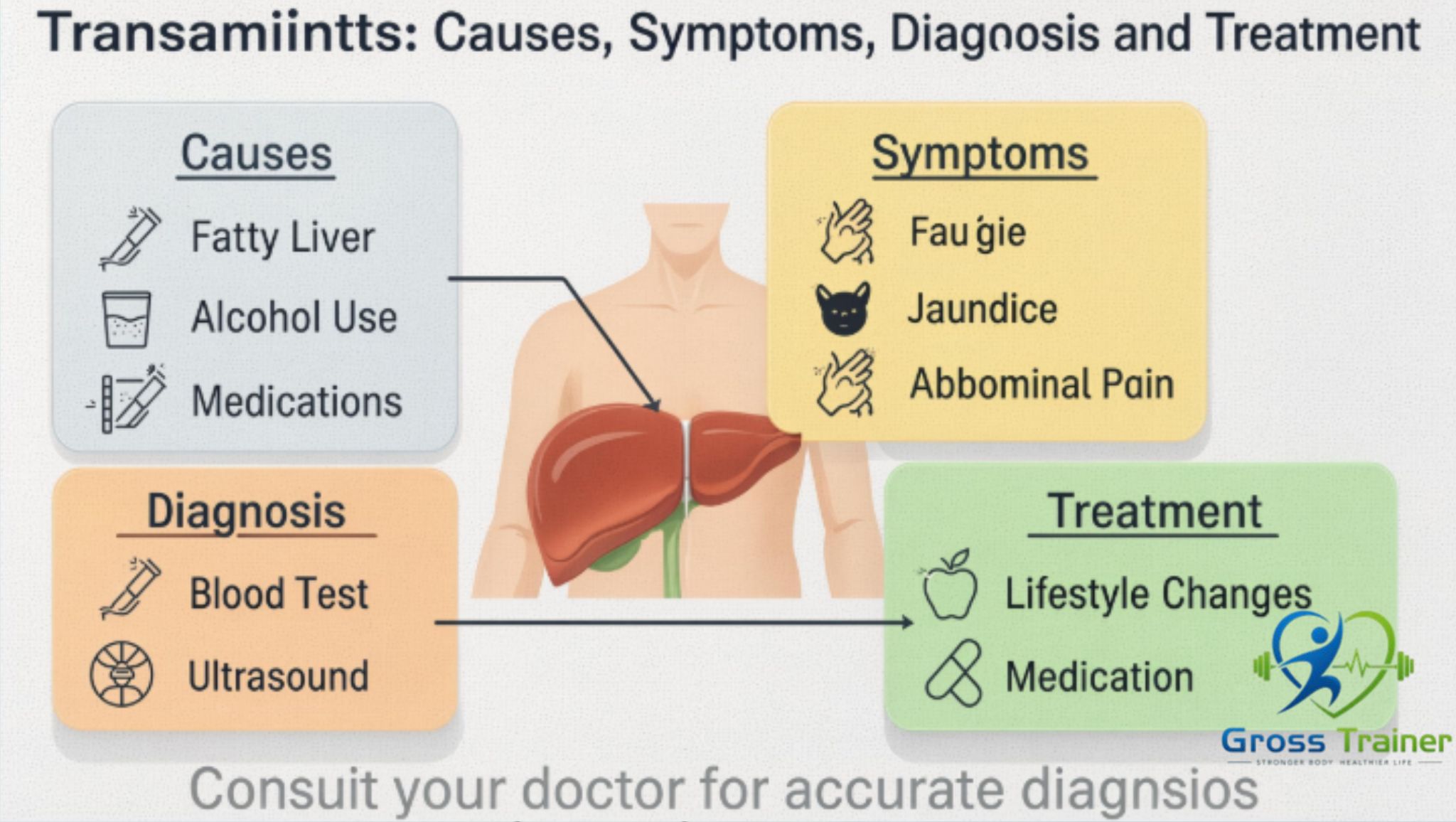
The most common causes include fatty liver disease, alcohol use, viral hepatitis, medication effects, supplements, metabolic conditions, autoimmune disease, and muscle injury.
Fatty Liver Disease
Fatty liver disease is one of the most common reasons for mild to moderate liver enzyme elevation. It happens when extra fat builds up in liver cells.
This can occur in people with:
- Higher body weight
- Insulin resistance
- Type 2 diabetes
- High triglycerides
- High cholesterol
- Polycystic ovary syndrome
- Sleep apnea
- Sedentary lifestyle
Fatty liver can exist quietly for years. Many people first discover it after routine blood work shows elevated ALT or AST.
Alcohol-Related Liver Injury
Alcohol can irritate and injure liver cells. Over time, repeated alcohol exposure can cause fatty liver, alcoholic hepatitis, fibrosis, or cirrhosis.
The pattern can sometimes help. AST may be higher than ALT in alcohol-related liver injury, although this pattern is not perfect and does not diagnose the condition by itself.
If alcohol is involved, honest discussion with a clinician matters. Reducing or stopping alcohol can greatly improve liver health in many cases, especially before advanced scarring develops.
Viral Hepatitis
Hepatitis means inflammation of the liver. Viral hepatitis can raise ALT and AST, sometimes sharply.
Common viral causes include:
- Hepatitis A
- Hepatitis B
- Hepatitis C
- Epstein-Barr virus
- Cytomegalovirus
- Other viral infections
Hepatitis B and C can become chronic and may remain silent for years. Doctors may order blood tests to check for these infections when Transaminitis is unexplained.
Medication-Related Liver Injury
Many prescription and over-the-counter medicines can raise liver enzymes. Sometimes the rise is mild and temporary. In other cases, the liver injury can be serious.
Examples that may be reviewed include:
- Acetaminophen
- Certain antibiotics
- Anti-seizure medicines
- Statins
- Tuberculosis medicines
- Some antifungal medicines
- Certain herbal products
- Bodybuilding supplements
- High-dose vitamins or supplements
Merck Manual notes that many medications, including statins, can cause asymptomatic elevations of liver enzymes, while clinically significant liver injury is less common.
Herbal and “Natural” Supplements
Natural does not always mean harmless. Some herbal products and weight-loss supplements have been linked with liver injury.
Products of concern may include:
- Green tea extract in high doses
- Kava
- Certain bodybuilding supplements
- Unregulated weight-loss products
- Multi-ingredient herbal blends
- High-dose vitamin A
- Some traditional medicines
Always tell your doctor about supplements, powders, teas, and “detox” products. They may be relevant.
Autoimmune Liver Disease
Autoimmune hepatitis happens when the immune system attacks liver cells. It can affect women more often than men, but anyone can develop it.
Doctors may consider autoimmune testing if liver enzymes remain elevated without a clear cause, especially if there are other autoimmune symptoms or family history.
Hemochromatosis and Iron Overload
Hemochromatosis is a condition where the body stores too much iron. Over time, excess iron can damage the liver, pancreas, heart, joints, and other organs.
Doctors may order iron studies, including ferritin and transferrin saturation, when evaluating persistent enzyme elevation.
Wilson Disease
Wilson disease is a rare inherited condition that causes copper buildup. It can affect the liver and nervous system. It is more often considered in younger patients with unexplained liver enzyme changes.
Muscle Injury and Intense Exercise
AST and sometimes ALT can rise after muscle injury or very intense exercise. This can confuse the picture because not every high AST comes from the liver.
If someone recently did heavy weightlifting, endurance training, or had muscle trauma, doctors may check creatine kinase, also called CK, to see whether muscle breakdown is contributing.
Symptoms of Transaminitis
Many people with Transaminitis have no symptoms at all. The finding may appear during routine blood work, an annual checkup, a medication monitoring test, or evaluation for another issue.
When symptoms do occur, they may be vague and easy to blame on something else.
Possible Symptoms
Symptoms can include:
- Fatigue
- Weakness
- Nausea
- Loss of appetite
- Right upper abdominal discomfort
- Bloating
- Dark urine
- Pale stool
- Itching
- Yellow skin or eyes
- Unexplained weight loss
- Swelling in the belly or legs
- Easy bruising
MedlinePlus lists symptoms of liver damage that may prompt AST testing, including nausea, vomiting, fatigue, weakness, jaundice, abdominal swelling or pain, ankle or leg swelling, dark urine, pale stool, and itching.
Why Symptoms Can Be Absent
The liver is a tough organ. It can handle a lot of stress before symptoms appear. That is helpful in one sense, but it also means liver problems can stay hidden.
This is why an abnormal blood test deserves attention even if you feel normal.
When Transaminitis Is Mild
Mild Transaminitis is common in primary care. It may come from fatty liver, alcohol, recent illness, medications, supplements, recent exercise, or temporary lab variation.
A mild result often leads to repeat testing after a period of time, especially if the person feels well and other liver markers are normal.
Why Doctors Repeat the Test
A repeat test helps answer a simple question: is this a real pattern or a temporary spike?
Liver enzymes can fluctuate. They may rise after illness, medication exposure, alcohol intake, or muscle strain. If repeat values return to normal, the cause may have been temporary.
What Makes Mild Elevation More Concerning
Mild elevation deserves closer attention when it:
- Persists on repeat testing
- Gets worse over time
- Appears with high bilirubin
- Appears with abnormal INR or low albumin
- Comes with symptoms
- Occurs in someone with hepatitis risk
- Occurs in someone taking a high-risk medication
- Appears with signs of chronic liver disease
The number matters, but the trend matters even more.
When Transaminitis Is Severe
Severe enzyme elevation can suggest more serious liver injury, especially when ALT and AST rise into the hundreds or thousands.
This can happen with viral hepatitis, acetaminophen toxicity, ischemic hepatitis, severe drug-induced liver injury, autoimmune hepatitis, or bile duct obstruction in some cases.
Warning Signs That Need Urgent Care
Seek urgent medical help if elevated liver enzymes occur with:
- Yellow skin or eyes
- Confusion
- Severe sleepiness
- Vomiting blood
- Black stools
- Severe abdominal pain
- Fainting
- Severe weakness
- Rapid swelling of the abdomen
- Easy bleeding or bruising
- Very dark urine with pale stools
- Fever with right upper abdominal pain
These symptoms may suggest more than a mild lab abnormality.
Why Bilirubin and INR Matter
ALT and AST show liver cell injury. They do not always show how well the liver is functioning.
Doctors may look at bilirubin, INR, albumin, and platelet count to understand liver function and severity. A person can have high enzymes but preserved function, or lower enzymes with advanced chronic liver disease. This is why the full lab picture matters. You may also read about: Do Electrolytes Make You Poop.
How Doctors Diagnose the Cause
The evaluation of Transaminitis usually starts with history, repeat testing, and a careful review of risk factors.
Doctors often ask about alcohol, medications, supplements, weight changes, diabetes, cholesterol, viral hepatitis risks, family history, travel, sexual exposure, tattoos, transfusions, and recent illness.
Blood Tests
Common blood tests may include:
- Repeat ALT and AST
- Bilirubin
- Alkaline phosphatase
- GGT
- Albumin
- INR
- Complete blood count
- Platelet count
- Hepatitis A, B, and C tests
- Iron studies
- Autoimmune markers
- Thyroid tests
- Celiac screening in selected cases
- Creatine kinase if muscle injury is possible
ACG guidance recommends assessing ALT elevations above healthy normal levels and evaluating abnormal liver chemistries based on pattern and clinical context.
Imaging Tests
If liver enzymes remain abnormal, ultrasound is often used to look for fatty liver, liver texture changes, bile duct dilation, gallstones, or masses.
Other imaging may include:
- CT scan
- MRI
- FibroScan or elastography
- MRCP if bile duct disease is suspected
Imaging does not replace blood testing, but it gives a visual picture of the liver and bile ducts.
Liver Fibrosis Assessment
If chronic liver disease is suspected, doctors may assess fibrosis, meaning scarring.
This may involve blood-based scoring systems, elastography, or specialist evaluation. Fibrosis assessment helps identify whether liver irritation has led to long-term structural change.
Liver Biopsy
A liver biopsy is not needed for everyone. It may be considered when the cause remains unclear, autoimmune disease is suspected, or staging liver disease would change treatment.
Most people with mild enzyme elevation do not immediately need a biopsy.
Transaminitis in Fatty Liver Disease
Fatty liver disease deserves special attention because it is common and often silent.
People may feel fine, yet blood tests show mild ALT and AST elevation. Sometimes ultrasound shows fat in the liver. Sometimes enzymes are normal even when fatty liver exists.
Why Fat Builds Up in the Liver
Fat can build up when the liver receives more energy than it can process. Insulin resistance plays a major role.
Risk factors include:
- Type 2 diabetes
- Prediabetes
- Abdominal weight gain
- High triglycerides
- High blood pressure
- Low physical activity
- Sleep apnea
- High intake of sugary drinks
- Family history
Can Fatty Liver Improve?
Yes. Many people can improve liver enzymes and reduce liver fat through weight loss, better glucose control, regular exercise, lower alcohol intake, and healthier eating.
Even modest weight loss can help, especially when combined with long-term lifestyle changes.
Transaminitis From Alcohol
Alcohol-related Transaminitis may improve when alcohol intake stops, especially in earlier stages. But ongoing heavy alcohol use can lead to inflammation, fibrosis, cirrhosis, and liver failure.
The difficult part is that early alcohol-related liver injury may not cause obvious symptoms.
Honest Alcohol History Helps
Doctors are not asking about alcohol to judge you. They ask because it changes the differential diagnosis, testing plan, and treatment.
Useful details include:
- How often you drink
- How much you drink
- Binge drinking episodes
- Duration of alcohol use
- Morning drinking
- Withdrawal symptoms
- Past attempts to cut down
If alcohol is contributing, support is available. Medical help can make stopping safer, especially for people at risk of withdrawal.
Transaminitis From Medication or Supplements
Drug-induced liver injury can be tricky because symptoms may appear late or not at all. Sometimes the only early clue is elevated ALT and AST.
Do not stop prescribed medication without medical advice, but do report all medicines and supplements.
Acetaminophen Caution
Acetaminophen can be safe at recommended doses for many people, but overdose can cause severe liver injury. Risk may increase with heavy alcohol use, fasting, malnutrition, or taking multiple products that contain acetaminophen.
Many cold, flu, sleep, and pain products contain it, so accidental doubling can happen.
Statins and Liver Enzymes
Statins can cause mild enzyme elevations in some people. However, clinically serious liver injury from statins is rare. Merck notes that clinically significant injury with jaundice, abdominal pain, itching, or impaired liver function is rare despite asymptomatic enzyme elevations being possible.
Your doctor will decide whether to continue, adjust, or monitor based on your specific results and risk.
Diet and Lifestyle Support
Food choices cannot fix every cause of Transaminitis, but they can support liver health, especially when fatty liver, alcohol intake, insulin resistance, or metabolic syndrome are involved.
The goal is not a harsh detox. The liver does not need extreme cleanses. It needs steady support.
Foods That Support Liver Health
Helpful choices often include:
- Vegetables
- Fruits in reasonable portions
- Whole grains
- Beans and lentils
- Fish
- Lean protein
- Nuts
- Olive oil
- High-fiber foods
- Unsweetened drinks
- Coffee, if tolerated and approved by your doctor
A Mediterranean-style eating pattern is often recommended for metabolic health and fatty liver risk.
Foods and Habits to Limit
Consider reducing:
- Alcohol
- Sugary drinks
- Refined carbohydrates
- Deep-fried foods
- Ultra-processed snacks
- Large late-night meals
- Excess saturated fat
- Unnecessary supplements
- “Liver detox” products
If you have diagnosed liver disease, ask your doctor or dietitian for specific guidance. Some advanced conditions require special nutrition planning.
Exercise and Weight Management
Exercise can improve insulin sensitivity, reduce liver fat, and support healthier cholesterol and blood sugar. It can help even before major weight loss occurs.
A realistic plan is better than an intense plan that disappears after one week.
Practical Exercise Ideas
Start with:
- Brisk walking
- Cycling
- Swimming
- Light strength training
- Short daily walks after meals
- Stretching plus resistance bands
- Gradual step-count increases
If you have not exercised in a long time or have heart disease risk, ask your doctor before starting vigorous activity.
Avoid Overdoing It Before Blood Tests
Very intense exercise can sometimes raise AST and other muscle-related markers. If your doctor is trying to interpret liver enzymes, mention recent heavy workouts.
This does not mean exercise is bad. It means timing and context matter.
What to Ask Your Doctor
If your report says Transaminitis, bring clear questions to your appointment. This helps you understand whether the result is mild, temporary, persistent, or urgent.
Helpful Questions
Ask:
- How high are my ALT and AST compared with normal?
- Is the pattern liver-cell related or bile-duct related?
- Should I repeat the test?
- Are bilirubin, INR, albumin, and platelets normal?
- Could my medications or supplements be involved?
- Should I be tested for hepatitis?
- Do I need an ultrasound?
- Could fatty liver be the cause?
- Should I avoid alcohol completely?
- Do I need to see a liver specialist?
Bring Your Medication List
Bring a complete list of:
- Prescriptions
- Over-the-counter medicines
- Vitamins
- Herbal products
- Protein powders
- Weight-loss supplements
- Pain relievers
- Hormonal therapies
This list can be just as important as the lab result itself.
Treatment for Transaminitis
There is no single treatment for Transaminitis because it is a finding, not a disease. Treatment depends on the cause.
A temporary medication effect, fatty liver, hepatitis, alcohol-related injury, autoimmune disease, or muscle injury all require different approaches.
If Fatty Liver Is the Cause
Treatment may focus on:
- Weight reduction if appropriate
- Better blood sugar control
- Lower triglycerides
- Exercise
- Reducing sugary drinks
- Managing sleep apnea
- Avoiding or limiting alcohol
If Viral Hepatitis Is the Cause
Treatment depends on the virus. Hepatitis A often resolves with supportive care. Hepatitis B and C may need specialist evaluation and antiviral treatment.
Modern hepatitis C treatment can cure most people, but testing is required first.
If Medication Is the Cause
Your doctor may stop, replace, or monitor the suspected medication. Never stop important medication suddenly without guidance.
If Autoimmune Disease Is the Cause
Autoimmune hepatitis may need immunosuppressive treatment. This requires careful diagnosis and monitoring.
If Alcohol Is the Cause
Stopping alcohol is usually the most important step. Some people need medical supervision, counseling, medication support, or addiction care to stop safely.
FAQ
What does Transaminitis mean?
Transaminitis means ALT and/or AST liver enzymes are higher than normal. It is a lab finding that suggests liver cell irritation or injury, though AST can also rise from muscle injury.
Is Transaminitis dangerous?
It depends on the cause and severity. Mild elevations may be temporary, while severe or persistent elevations may need more testing. Symptoms like jaundice, confusion, bleeding, or severe pain need urgent medical care.
Can Transaminitis go away?
Yes, it can go away if the cause is temporary or treatable. For example, enzymes may improve after stopping alcohol, treating hepatitis, adjusting medication, improving fatty liver, or recovering from a short illness.
What is the most common cause of Transaminitis?
Common causes include fatty liver disease, alcohol use, viral hepatitis, medications, supplements, and metabolic conditions. The most likely cause depends on the person’s history and lab pattern.
What ALT or AST level is concerning?
Any persistent elevation should be discussed with a healthcare provider. Very high levels, rising values, or abnormal bilirubin, INR, albumin, or symptoms are more concerning than a single mild elevation.
Can exercise cause high AST or ALT?
Yes, intense exercise or muscle injury can raise AST and sometimes ALT. Doctors may check creatine kinase if muscle injury is suspected.
Should I stop all medications if my liver enzymes are high?
No. Do not stop prescribed medication without medical advice. Instead, give your doctor a full list of medicines and supplements so they can decide what is safe.
Does Transaminitis mean liver failure?
No. Elevated ALT and AST show liver cell injury or irritation, but they do not automatically mean liver failure. Liver function is judged with other tests such as bilirubin, INR, albumin, and clinical findings.
Can diet improve Transaminitis?
Diet may help if fatty liver, alcohol intake, high triglycerides, diabetes, or insulin resistance are involved. It may not fix causes such as viral hepatitis, autoimmune disease, or medication injury without medical treatment.
Conclusion
Transaminitis can sound intimidating, but it is best understood as a sign that ALT, AST, or both are elevated. It tells your doctor that liver cells may be irritated or injured, but it does not explain the cause by itself.
The next step depends on the full picture: how high the enzymes are, whether the result persists, whether other liver tests are abnormal, what medicines or supplements you take, and whether symptoms are present.
Many causes are treatable or reversible, especially when found early. The smartest response is not panic—it is follow-up. Review the result with your healthcare provider, repeat testing if advised, and look for the cause rather than focusing only on the number.