A small bottle of herbal oil can feel surprisingly powerful. One person reaches for it during sniffle season, another adds it to a nighttime wellness routine, and someone else keeps it on hand for skin flare-ups or digestive discomfort. That curiosity is exactly why oil of oregano with black seed oil benefits has become such a searched-about topic.
The appeal is easy to understand: oregano oil is known for its bold, sharp, almost medicinal aroma, while black seed oil has a deep history in Middle Eastern, South Asian, and Mediterranean wellness traditions. Still, “natural” does not automatically mean gentle, and “traditional” does not always mean proven. The most useful way to look at this blend is with both openness and caution: what may help, what is still uncertain, and how to use it without overdoing it. Oregano extracts contain compounds such as carvacrol and thymol, while black seed oil is best known for thymoquinone; both have been studied for antioxidant, antimicrobial, and inflammatory pathways, though many claims still need stronger human trials.
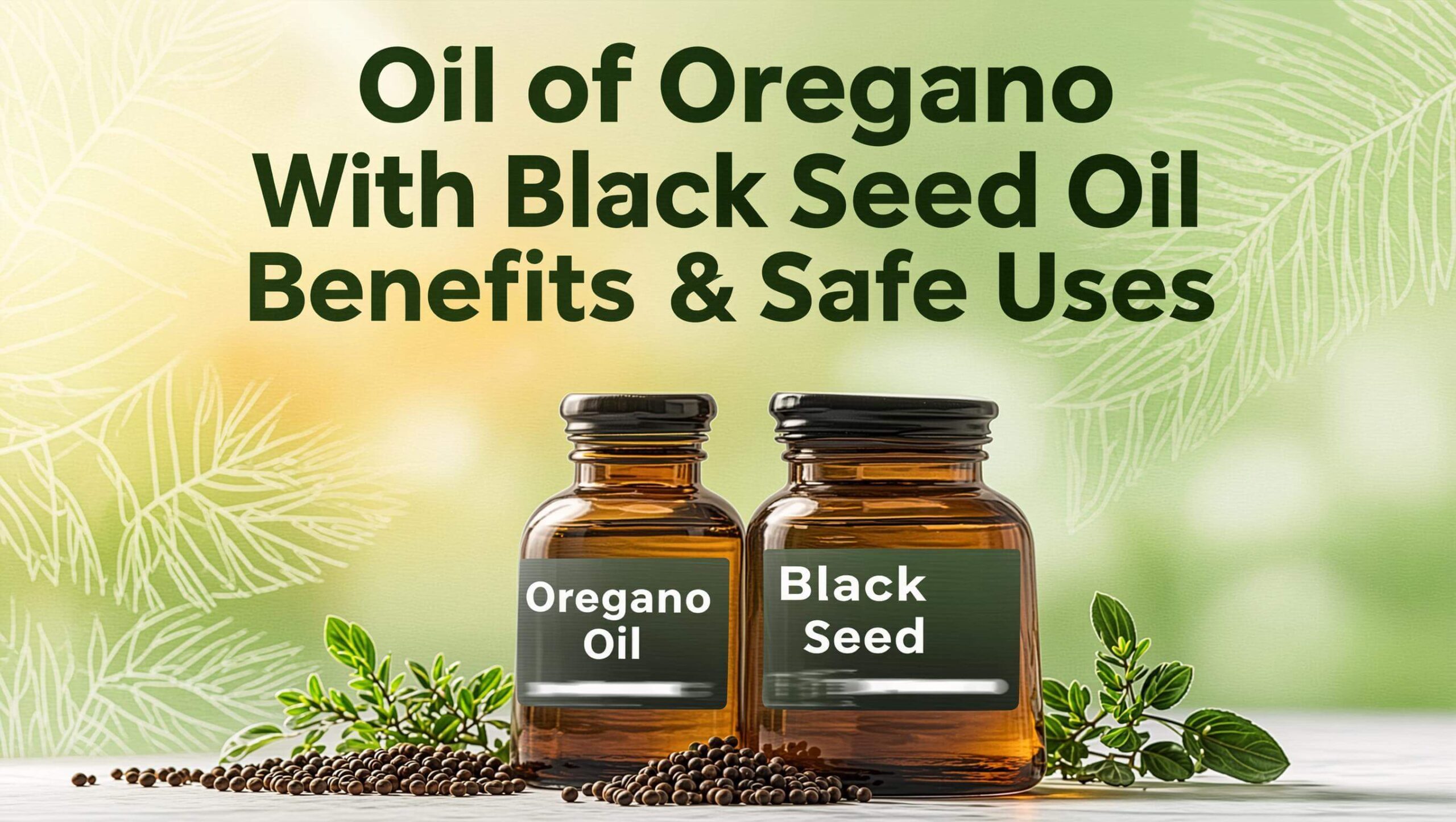
[Insert image: A clean lifestyle photo of oregano leaves, black seeds, and two small amber glass bottles on a kitchen counter.]
If you have ever felt overwhelmed by supplement labels, you are not alone. Some bottles say “oregano oil,” some say “oregano essential oil,” and some black seed oils are cold-pressed while others are blended with carriers. This guide walks through the practical details in plain language so you can understand where the excitement comes from, where the evidence is strongest, and where a healthy dose of skepticism is smart.
Understanding oil of oregano with black seed oil benefits
In simple terms, oil of oregano with black seed oil benefits refers to the potential wellness support people seek when combining oregano-derived oil with oil pressed from Nigella sativa seeds, commonly called black seed, black cumin, or kalonji. The blend is typically marketed for immune support, digestive balance, respiratory comfort, skin health, and antioxidant protection.
That definition matters because the two oils are not the same. Oil of oregano is usually valued for aromatic phenols such as carvacrol and thymol, which are linked with antimicrobial activity in laboratory research. Black seed oil contains fatty acids and plant compounds, especially thymoquinone, which has been investigated for anti-inflammatory, antioxidant, metabolic, and respiratory effects. Oregano oil has not been approved as a therapy for any disease, and black cumin seed products also are not approved by the FDA to treat diabetes, hypertension, cholesterol problems, or other medical conditions.
[Insert image: Close-up of fresh oregano sprigs beside a spoonful of black seeds and a dropper bottle.]
Definition: Oil of oregano
Oil of oregano is an extract from oregano plants, often Origanum vulgare, a member of the mint family. In supplement form, it may come as a liquid, softgel, or diluted oil. It should not be confused with undiluted oregano essential oil, which is highly concentrated and can irritate tissues if used improperly.
The main reason people talk about oregano oil is its concentration of carvacrol and thymol. These compounds are part of oregano’s strong aroma and have been studied for antimicrobial, antifungal, antioxidant, and anti-inflammatory activity, mostly in laboratory, food-safety, animal, and preclinical contexts. That does not mean oregano oil “kills infections” in the human body, but it does explain why researchers and consumers remain interested.
Definition: Black seed oil
Black seed oil comes from the seeds of Nigella sativa, a small flowering plant used as both a spice and a traditional remedy. It has a peppery, earthy flavor and a dark golden to brown color, depending on how it is pressed and filtered.
Its signature compound is thymoquinone, although the whole oil also contains fatty acids and other phytochemicals. Reviews describe Nigella sativa as a plant with a long history of use for respiratory, digestive, cardiovascular, inflammatory, and skin-related concerns, but they also emphasize that more well-designed clinical trials are needed before broad treatment claims can be made.
Why People Combine These Two Oils
People usually combine these oils because they want a broader herbal wellness approach: oregano for its sharp, aromatic, microbe-focused reputation and black seed oil for its smoother, nutrient-rich, inflammation-focused profile. That pairing is what drives interest in oil of oregano with black seed oil benefits, especially among people looking for short-term support during seasonal changes.
There is also a practical reason: black seed oil can act as a carrier oil for very small amounts of oregano oil. Because oregano oil is intense, many products dilute it into softer oils to make it easier to take. Even then, concentrated oregano products can still cause burning, reflux, nausea, or stomach upset in sensitive people, so stronger is not always better. Oregano supplement side effects can include abdominal discomfort, heartburn, constipation or diarrhea, nausea, vomiting, dizziness, headache, and rare hypersensitivity reactions.
The “synergy” question
The word synergy gets used a lot in wellness marketing, but it should be handled carefully. In a strict scientific sense, synergy means two substances work together in a way that is stronger than either one alone. Some reviews discuss possible synergistic effects of Nigella sativa with drugs or antimicrobial agents, but that does not prove a specific over-the-counter oregano-and-black-seed blend will produce a predictable result in every person.
A more grounded way to describe the blend is “complementary.” Oregano oil brings volatile aromatic compounds, while black seed oil brings thymoquinone and nourishing fatty acids. Together, they may support general wellness pathways, but they should not be treated as a substitute for medical care, prescribed antibiotics, asthma medication, diabetes medication, or blood pressure treatment.
You may also read about Metamyelocytes High.
Potential Immune and Seasonal Wellness Support
One of the most common reasons people look into oil of oregano with black seed oil benefits is immune-season support. Oregano’s carvacrol-rich profile has been studied for activity against bacteria and fungi in non-human settings, while black seed has been investigated for immune-modulating and inflammatory pathways. This makes the blend interesting, but not a cure for colds, flu, sinus infections, COVID-19, or any diagnosed illness.
In everyday terms, the blend may fit best as part of a broader wellness routine: sleep, hydration, protein-rich meals, fruits and vegetables, hand hygiene, and appropriate medical care when symptoms are serious. If your throat is closing, fever is high, breathing is difficult, or symptoms are worsening, herbal oils are not the answer; professional care is.
Respiratory comfort
Black seed has a stronger human-research footprint than oregano oil in some respiratory areas. Memorial Sloan Kettering notes that small clinical studies suggest black cumin seed may help control asthma symptoms, although the evidence is not the same as approval as an asthma treatment.
Oregano oil, on the other hand, is often used traditionally for coughs and respiratory complaints, but LiverTox notes that its in vitro and in vivo activities have not been clearly demonstrated in humans and that clinical significance has not been established. That distinction matters: you can respect the tradition without exaggerating the evidence.
[Insert infographic: A simple comparison showing oregano oil compounds carvacrol and thymol, black seed oil compound thymoquinone, potential support areas, and safety reminders.]
Gut and Microbial Balance
Another reason people search for oil of oregano with black seed oil benefits is gut balance. The idea is usually that oregano supports microbial balance while black seed oil soothes and nourishes. This is plausible as a general wellness concept, but it needs careful wording because the human gut microbiome is complex, and wiping out microbes indiscriminately is not a health goal.
Oregano essential oil has been studied for antimicrobial properties, including use in food preservation and laboratory models. These findings are meaningful, but they do not automatically translate into a safe or effective protocol for bloating, candida, parasites, SIBO, or IBS. If someone has persistent digestive symptoms, unexplained weight loss, blood in stool, severe pain, chronic diarrhea, or recurrent vomiting, that is a medical issue, not a supplement-shopping problem.
Digestive comfort and tolerance
Black seed oil may be easier for some people to tolerate than straight oregano oil because it is a fatty oil rather than a hot essential oil. Even so, it can still cause digestive discomfort in certain users. Oregano oil is more likely to feel “hot,” especially if taken undiluted or in large amounts.
A gentle approach is sensible. People who use these oils often start with the smallest label-recommended serving, take it with food, and avoid stacking multiple strong supplements at once. If reflux, burning, nausea, cramps, loose stool, itching, rash, or throat irritation appear, stopping the product and checking with a clinician is wiser than pushing through.
Antioxidant and Inflammatory Balance
Oxidative stress and inflammation are normal biological processes, but when they become chronic or excessive, they are linked with many health concerns. This is one reason oil of oregano with black seed oil benefits gets attention from people interested in long-term wellness rather than only seasonal support.
Oregano essential oil reviews describe antioxidant and anti-inflammatory properties, and black seed reviews highlight thymoquinone as a major compound involved in antioxidant and anti-inflammatory mechanisms. The most honest interpretation is that both oils contain biologically active compounds that may influence these pathways, but the size and reliability of the benefit in real-world supplement users depends on dose, product quality, health status, and the condition being studied.
Joint and everyday body comfort
Black seed oil has been studied in small clinical contexts for inflammatory conditions such as rheumatoid arthritis and osteoarthritis-related discomfort. Memorial Sloan Kettering notes one study in which oral black seed oil helped reduce rheumatoid arthritis symptoms and also describes topical or oral uses studied for knee pain.
That does not mean the blend is a pain reliever in the way ibuprofen or a prescribed medication is. It may be better understood as a supportive option that some people discuss with their healthcare provider, especially if they are already managing joint discomfort, autoimmune disease, or inflammatory conditions.
Skin, Scalp, and Surface-Level Support
Some people use the blend topically for blemish-prone skin, scalp irritation, rough patches, or fungal-looking areas. This is another area where the oil of oregano with black seed oil benefits conversation needs balance. The antimicrobial and anti-inflammatory rationale is there, but skin can react strongly to essential oils.
Never apply undiluted oregano essential oil directly to the skin. It can burn, sting, redden, or trigger irritation, especially on the face, underarms, groin, broken skin, or sensitive areas. If a product is designed for topical use, follow the label and patch test first. Memorial Sloan Kettering also notes that topical use of pure Nigella sativa oil has caused allergic reactions.
A simple patch-test approach
A patch test is not complicated. Apply a tiny amount of the diluted product to a small area of skin, such as the inner forearm. Leave it alone and watch for redness, itching, swelling, burning, bumps, or peeling over the next 24 to 48 hours.
Avoid using oregano oil blends near the eyes or mucous membranes. If you are dealing with spreading rash, painful swelling, pus, fever, ring-shaped lesions, severe dandruff, hair loss patches, or a skin condition that keeps returning, get a proper diagnosis. Herbal oils can delay care if they are used to cover up symptoms rather than understand them.
Metabolic, Heart, and Blood Sugar Considerations
Black seed oil is often discussed for metabolic health, including blood sugar, cholesterol, and blood pressure. This is one of the more research-active areas for Nigella sativa. LiverTox notes that small placebo-controlled trials found modest effects on LDL cholesterol, triglycerides, HDL cholesterol, A1c, post-meal glucose, and blood pressure, but also states that the overall evidence is not very convincing and these products are not approved therapies.
That means oil of oregano with black seed oil benefits should not be framed as a shortcut for diabetes, hypertension, fatty liver disease, or high cholesterol. Food quality, movement, sleep, weight management where appropriate, prescribed medication, and regular lab monitoring matter far more.
Medication interactions matter
Because black seed oil may influence blood sugar and blood pressure, extra caution is appropriate for people taking diabetes medication, insulin, blood pressure medication, or multiple prescriptions. Memorial Sloan Kettering also warns against use with cytochrome P450 substrate drugs because Nigella sativa may increase the risk of side effects, though the clinical relevance is not fully known.
Oregano oil also deserves caution around pregnancy and certain health situations. LiverTox states that oregano in dietary supplement doses is an abortifacient and should not be used during pregnancy or by women of childbearing age not using effective contraception.
How to Use the Blend More Safely
The safest way to approach oil of oregano with black seed oil benefits is to think in terms of short-term, conservative use rather than daily high-dose experimentation. Choose products from reputable brands, read the serving size, and avoid mixing multiple “immune,” “detox,” or antimicrobial supplements at the same time.
Look for labels that clearly state what is inside. A quality product should tell you whether it contains oregano essential oil, oregano extract, black seed oil, a carrier oil, and the amount per serving. Third-party testing is a plus because supplement strength can vary widely, and label claims do not always tell the full story.
Practical buying checklist
Before buying a blend, check for:
- Clear botanical names, such as Origanum vulgare and Nigella sativa
- A stated serving size rather than vague “proprietary” language
- Dilution details for oregano oil
- Cold-pressed black seed oil when possible
- Third-party testing or a certificate of analysis
- Allergen warnings
- Pregnancy, breastfeeding, medication, and age cautions
- A realistic label that avoids disease-cure promises
Who should avoid it or ask a clinician first?
This blend is not a good fit for everyone. People who are pregnant should avoid oregano oil supplements. Breastfeeding parents should be cautious with black seed because LactMed reports no data on component excretion into breast milk or safety and efficacy in infants, and notes that galactagogue use should not replace proper evaluation for milk-supply concerns.
You should also speak with a healthcare professional first if you take diabetes medication, blood pressure medication, blood thinners, immune-suppressing drugs, seizure medication, chemotherapy, or drugs with narrow safety margins. The same goes for people with liver disease, kidney disease, bleeding disorders, severe reflux, ulcers, asthma, autoimmune disease, upcoming surgery, or known allergies to mint-family plants such as basil, mint, sage, lavender, marjoram, or thyme.
How people usually take it
Common forms include softgels, liquid drops, and topical blends. Softgels are convenient and reduce the strong taste. Liquid drops offer flexibility but are easier to overuse. Topical blends should be diluted and patch tested.
Do not swallow undiluted essential oil. Do not put oregano oil under the tongue unless a product specifically says it is designed for that use. Do not use it in children unless a qualified pediatric clinician recommends it. And do not assume that a product is safe just because it is sold online.
What Results Can You Realistically Expect?
The most realistic expectation is subtle support, not dramatic transformation. Some people may feel that the blend helps them during seasonal changes, after heavy meals, or when their skin feels reactive. Others may notice no difference or may experience side effects that make the blend a poor match.
Your baseline health matters. A person who sleeps five hours a night, skips meals, lives under chronic stress, and rarely eats fiber-rich foods is unlikely to feel much from any oil blend. Supplements work best, when they work at all, on top of basic habits that already support the body.
Signs it may not be right for you
Stop using the product and seek guidance if you notice:
- Burning in the mouth, throat, or stomach
- Worsening reflux
- Nausea, vomiting, or diarrhea
- Dizziness or headaches
- Rash, itching, swelling, or hives
- Wheezing or breathing discomfort
- Symptoms of low blood sugar, such as shakiness or sweating
- Unusual bruising or bleeding
- Any symptom that feels severe or frightening
FAQ
Can I take oregano oil and black seed oil together?
Many commercial products combine them, and some adults tolerate the combination well. The key is dilution, conservative serving size, and personal safety. Oregano oil is strong, and black seed oil can interact with certain medications, so people with medical conditions should ask a healthcare professional first.
How long does it take to notice oil of oregano with black seed oil benefits?
There is no guaranteed timeline. Some people report feeling digestive or seasonal support within days, while others notice nothing. Because strong human evidence is limited for many uses, it is better to evaluate your own tolerance and avoid long-term high-dose use unless supervised.
Is this blend good for the immune system?
It may support general wellness because oregano and black seed contain compounds studied for antimicrobial, antioxidant, anti-inflammatory, and immune-related activity. However, it should not be used to treat infections or replace vaccines, prescribed medication, rest, hydration, or medical care when needed.
Can I use it for candida or parasites?
Do not self-treat suspected candida overgrowth, parasites, or chronic gut infections with oregano oil blends. Laboratory antimicrobial activity does not equal a proven human treatment protocol. Persistent digestive symptoms deserve proper testing and diagnosis.
Is oil of oregano the same as oregano essential oil?
Not always. Some products use diluted oregano essential oil, while others use extracts in capsules or carrier oils. Undiluted oregano essential oil is highly concentrated and should not be swallowed or applied directly to the skin unless specifically formulated and labeled for that purpose.
Can I take this blend every day?
Daily use is not automatically safer or more effective. Many people use oregano-containing products short term because they are potent and can irritate the stomach or skin. Black seed oil may be used more routinely by some adults, but medication interactions and individual health conditions still matter.
Who should not use these products?
Pregnant people should avoid oregano oil supplements. People who are breastfeeding, taking prescription medications, managing diabetes or blood pressure, preparing for surgery, or dealing with liver, kidney, bleeding, immune, or severe digestive conditions should get medical guidance first.
Can I put the blend on my face?
Only if it is properly diluted and intended for topical use. Patch test first and avoid the eye area. If you have acne, eczema, rosacea, fungal rash, or broken skin, be careful; essential oils can worsen irritation.
Conclusion
The conversation around oil of oregano with black seed oil benefits is exciting because both oils have rich traditions and genuinely interesting compounds. Oregano brings carvacrol and thymol; black seed brings thymoquinone and a long history of culinary and wellness use. Together, they may offer support for seasonal wellness, digestive comfort, skin care, and inflammatory balance.
But the smartest approach is not hype. It is respect. Respect the potency of oregano oil. Respect the medication-related cautions around black seed oil. Respect the difference between promising research and proven treatment. Used thoughtfully, the blend may have a place in a wellness routine, but it should work alongside good habits and appropriate medical care, not in place of them.