Some medicines are simple: take them, move on, and forget about it. Sucralfate is not quite like that. If you are searching for foods to avoid while taking sucralfate, you probably want one clear answer: what can I eat without ruining the medicine’s effect?
Here is the important part. Sucralfate works best on an empty stomach because it needs to coat the irritated or ulcerated lining of the stomach or small intestine. Food can get in the way of that protective coating, so meal timing matters as much as the food itself. MedlinePlus advises taking sucralfate on an empty stomach, usually 2 hours after meals or 1 hour before meals.
That does not mean you must live on plain crackers forever. It means you need to know which foods may irritate your stomach, which drinks may worsen reflux, and how to space meals around your dose. The right routine can make treatment feel much easier.
This guide walks through what to avoid, what to choose instead, and how to plan your day while taking sucralfate in a realistic way.
How Sucralfate Works in the Stomach
Sucralfate is a prescription medicine commonly used for ulcers. Instead of reducing stomach acid like some other medications, it forms a protective barrier over irritated tissue. This coating helps shield the area from acid, digestive enzymes, and bile while healing happens.
Mayo Clinic lists sucralfate dosing for duodenal ulcers as 1 gram four times daily on an empty stomach, usually for 4 to 8 weeks, depending on the prescriber’s plan.
Why Empty Stomach Timing Matters
Sucralfate needs direct contact with the ulcer or irritated lining. When the stomach is full, food can block that contact. This is why most instructions say to take it before meals or well after eating.
In simple terms, imagine trying to put a bandage on skin covered in crumbs. The bandage may not stick well. Sucralfate has a similar issue inside the digestive tract.
Is Sucralfate a Food-Interaction Drug?
Sucralfate is not known for having one strict “never eat this food” interaction in the same way some medicines interact with grapefruit or vitamin K. The bigger issue is that food in general can reduce how well it coats the stomach lining around the dose time.
So, when people ask about foods to avoid while taking sucralfate, the answer has two layers:
- Avoid eating too close to the dose.
- Avoid foods that commonly irritate ulcers, gastritis, or reflux.
Both matter.
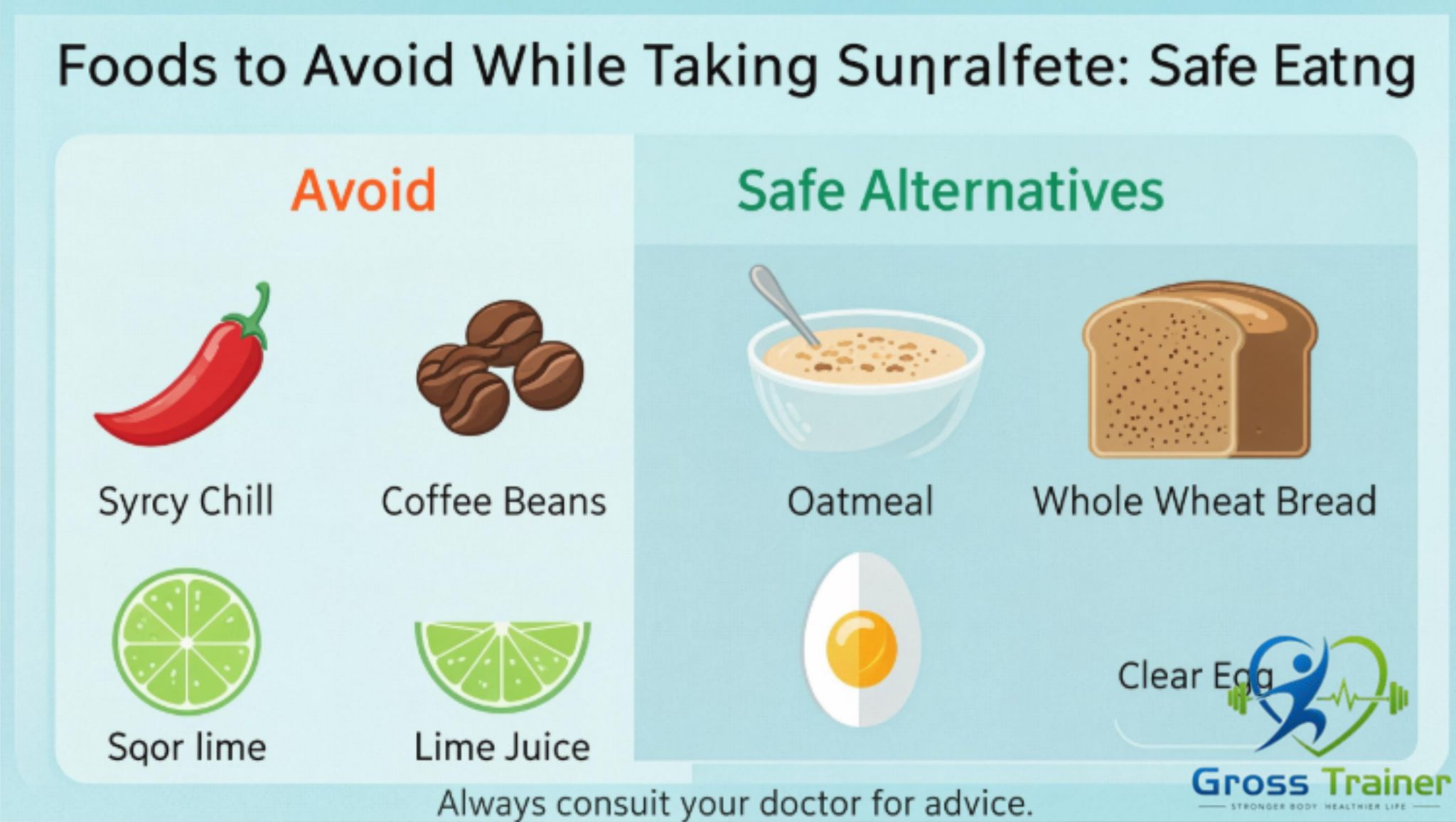
foods to avoid while taking sucralfate
The most important food to avoid around sucralfate is technically any food eaten too close to the dose. Sucralfate is meant to be taken on an empty stomach, so eating immediately before or after it can reduce its coating effect.
Most patients are told to take it 1 hour before meals or 2 hours after meals. Some schedules also include a bedtime dose. Your exact timing should follow your prescription label or your doctor’s instructions.
Avoid Eating Right Before the Dose
If you eat and then take sucralfate right away, the medicine may not coat the irritated area properly. Food may sit between the medication and the stomach lining.
Try to avoid:
- Full meals within 2 hours before sucralfate
- Snacks right before taking sucralfate
- Milk, smoothies, or protein shakes close to the dose
- Heavy late-night eating before a bedtime dose
Even “gentle” foods can interfere if they are eaten too close to the medicine. Read about: Miconazole vs Clotrimazole: Uses, Side Effects, Results.
Avoid Eating Right After the Dose
After taking sucralfate, give it time to work. Eating too soon afterward can disturb the coating process.
A common plan is to wait at least 1 hour before eating. If your doctor gave different timing, follow that instead.
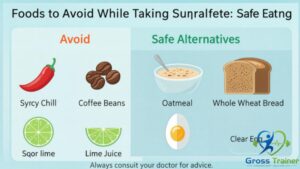
Spicy Foods That May Irritate the Stomach
Spicy food does not cancel sucralfate directly, but it may make ulcer pain, gastritis, reflux, or stomach burning feel worse. Many people notice symptoms after eating chili, hot sauce, pepper-heavy meals, or spicy fried snacks.
If your stomach is already irritated, spicy foods can feel like pouring heat onto an open scrape. Not everyone reacts the same way, but during ulcer treatment, it is usually smart to keep spice levels mild.
Common Spicy Foods to Limit
You may want to reduce or avoid:
- Hot sauce
- Chili flakes
- Jalapeños
- Green chilies
- Red chili powder
- Spicy curries
- Buffalo wings
- Spicy ramen
- Pepper-heavy barbecue
- Spicy pickles
If you love spice, do not test your limits during the worst phase of pain. Give your stomach a calmer window to heal.
Better Flavor Options
Food does not have to be bland and boring. You can still use gentle flavor.
Try:
- Small amounts of ginger, if tolerated
- Fresh herbs
- Mild turmeric
- Cumin
- Coriander
- Basil
- Parsley
- A small amount of olive oil
- Low-acid vegetable broth
The goal is not flavorless food. The goal is food that does not provoke burning, nausea, or reflux.
Acidic Foods and Drinks to Be Careful With
Acidic foods can irritate some people with ulcers, gastritis, or reflux. They may not affect everyone equally, but they are common triggers.
This is one of the biggest practical categories in foods to avoid while taking sucralfate, especially if your symptoms include burning, sour burps, chest discomfort, or nausea after meals.
Citrus Fruits and Juices
Citrus is healthy for many people, but it can be rough on a sensitive stomach.
Limit or avoid:
- Orange juice
- Lemon water
- Grapefruit
- Lime
- Tangerines
- Citrus smoothies
- Lemon-based dressings
If you miss fruit, try bananas, melon, peeled apples, or pears if tolerated.
Tomato-Based Foods
Tomatoes are acidic and can trigger reflux or stomach burning in some people.
Common examples include:
- Tomato sauce
- Pizza sauce
- Ketchup
- Salsa
- Tomato soup
- Pasta with red sauce
- Tomato-heavy curries or stews
You may tolerate small amounts later, but during active symptoms, a low-acid approach is often easier.
Coffee, Tea, and Caffeine
Coffee is one of the most common stomach irritants. It can increase acid-related symptoms in some people and may worsen burning, reflux, or nausea.
Caffeine can also stimulate the gut, which may not be pleasant if your stomach is already upset.
Should You Stop Coffee Completely?
Not everyone needs to quit coffee forever. But if you are taking sucralfate for ulcer symptoms, gastritis, or reflux, reducing coffee can help you see whether it is making symptoms worse.
Avoid taking sucralfate with coffee. Use plain water unless your doctor says otherwise.
Drinks to Watch
Be careful with:
- Black coffee
- Espresso
- Energy drinks
- Strong black tea
- Green tea on an empty stomach
- Cola
- Pre-workout drinks
- Highly caffeinated iced drinks
If you need something warm, try caffeine-free herbal tea that does not trigger symptoms. Avoid peppermint tea if it worsens reflux.
Alcohol and Sucralfate
Alcohol is not usually listed as a direct sucralfate food interaction, but it can irritate the stomach lining and slow healing. If you are being treated for an ulcer, gastritis, or severe reflux, alcohol is usually a poor choice.
WebMD notes that it is unknown whether alcohol affects sucralfate directly, but sucralfate should be taken on an empty stomach.
Why Alcohol Can Be a Problem
Alcohol may:
- Irritate the stomach lining
- Increase burning or nausea
- Worsen reflux
- Encourage poor food choices
- Increase the risk of stomach discomfort
- Interfere with healing habits
If your doctor prescribed sucralfate because your digestive lining needs protection, alcohol works against that goal.
What About One Drink?
Ask your doctor. The answer depends on why you are taking sucralfate, whether you have bleeding risk, what other medicines you take, and how severe your symptoms are.
For many people, avoiding alcohol during active ulcer treatment is the safest option.
Fatty, Fried, and Greasy Foods
Fatty foods can slow stomach emptying and worsen reflux symptoms in some people. Fried foods may also feel heavy, bloating, or irritating when your stomach is healing.
This does not mean all fat is bad. It means large, greasy meals are often harder to tolerate.
Foods to Limit
You may feel better avoiding:
- Fried chicken
- French fries
- Burgers
- Deep-fried snacks
- Creamy sauces
- Heavy cheese dishes
- Sausage
- Bacon
- Fast food
- Butter-heavy pastries
- Cream-based soups
These foods may not stop sucralfate from working directly, but they can aggravate the condition you are trying to treat.
Better Choices
Try lighter options such as:
- Baked chicken
- Grilled fish
- Rice
- Oatmeal
- Boiled potatoes
- Soft cooked vegetables
- Lentil soup, if tolerated
- Low-fat yogurt, away from the dose window
- Eggs, if they do not trigger symptoms
Your stomach often does better with smaller, simpler meals.
Dairy, Milk, and Protein Shakes
Milk can feel soothing at first, but it is still food. Taking sucralfate with milk is not ideal unless your prescriber specifically tells you to.
The same goes for meal replacement shakes, smoothies, yogurt drinks, and protein shakes. They may seem light, but they still count as nutrition in the stomach.
Why Timing Matters With Dairy
Dairy products can coat the stomach in their own way and may interfere with sucralfate reaching the irritated lining. For that reason, keep dairy away from the sucralfate dose window.
This belongs on the practical list of foods to avoid while taking sucralfate close to dose time.
When Dairy May Be Okay
Some people tolerate dairy well when it is eaten at the right time. If your doctor has not restricted dairy, you may be able to have milk, yogurt, or cheese between doses.
Choose lower-fat options if reflux is a problem.
Chocolate and Mint
Chocolate and mint are classic reflux triggers for some people. They may relax the lower esophageal sphincter, the muscle that helps keep stomach contents from coming back up.
If your sucralfate was prescribed for reflux-related irritation, esophagitis, gastritis, or ulcer discomfort, these foods may worsen symptoms.
Common Trigger Foods
Watch for symptoms after:
- Chocolate bars
- Chocolate milk
- Cocoa drinks
- Mint candy
- Peppermint tea
- Mint chewing gum
- Mint desserts
- Chocolate pastries
Some people tolerate a small amount. Others notice burning quickly. Your symptom pattern matters.
Carbonated Drinks
Bubbles can increase bloating and burping. For someone with reflux, gastritis, or ulcer pain, that pressure can be uncomfortable.
Carbonated drinks also often contain caffeine, acid, or sugar, which may add to irritation.
Drinks to Avoid or Reduce
Limit:
- Soda
- Sparkling water, if it triggers bloating
- Energy drinks
- Carbonated lemonade
- Fizzy flavored drinks
- Beer or sparkling alcohol
Plain water is usually the safest drink to take with sucralfate.
Very Salty, Pickled, or Processed Foods
Pickled and highly processed foods can be irritating for some stomach conditions. They may also be acidic, spicy, or high in preservatives.
This category is not a universal ban, but many people with gastritis or ulcer symptoms feel worse after these foods.
Examples to Limit
Be careful with:
- Pickles
- Vinegar-heavy foods
- Processed meats
- Salty chips
- Instant noodles
- Packaged spicy snacks
- Canned salty soups
- Highly seasoned frozen meals
If you are building a stomach-friendly routine, fresh and simple meals usually work better.
What to Eat While Taking Sucralfate
After seeing a long list of foods to avoid, it is fair to ask, “So what can I actually eat?” The answer is more than you might think.
The best foods are usually gentle, lower in acid, lower in grease, and easy to digest.
Gentle Food Options
Many people tolerate:
- Oatmeal
- Bananas
- Rice
- Applesauce
- Toast
- Boiled potatoes
- Steamed carrots
- Scrambled eggs
- Chicken soup
- Lean poultry
- Fish
- Soft cooked vegetables
- Melon
- Pears
- Plain pasta
- Low-fat yogurt, away from medication timing
Choose foods based on your symptoms. If a “safe” food bothers you, skip it.
Smaller Meals Often Help
Large meals stretch the stomach and can worsen reflux or discomfort. Smaller meals are usually easier.
Try eating:
- Slowly
- In smaller portions
- Without lying down right away
- With simple ingredients
- Away from the sucralfate dose window
A calm stomach routine can make sucralfate treatment much easier to follow.
Best Timing Schedule for Meals and Sucralfate
Timing is often the hardest part because sucralfate may be prescribed several times a day. Many adults take it before meals and at bedtime, but your exact schedule may differ.
The FDA-approved label for Carafate oral suspension says it should be administered on an empty stomach, and antacids should not be taken within one-half hour before or after sucralfate.
A Common Daily Pattern
A typical four-dose schedule may look like this:
- Dose 1: 1 hour before breakfast
- Dose 2: 1 hour before lunch
- Dose 3: 1 hour before dinner
- Dose 4: At bedtime, usually away from food
This is only an example. Follow your prescription instructions.
What If Your Schedule Is Difficult?
Sucralfate can be inconvenient. If your work, school, fasting routine, or sleep schedule makes it hard, ask your pharmacist to help build a realistic plan.
Do not skip doses or change timing without advice.
Antacids, Other Medicines, and Supplements
Food is not the only thing that needs spacing. Sucralfate can bind to certain medications and reduce their absorption.
Cleveland Clinic advises taking antacids at least 30 minutes before or after sucralfate. Other oral medicines may need more separation, often around 2 hours, depending on the drug. GoodRx also notes that many oral medications may need to be spaced at least 2 hours from sucralfate.
Medicines That May Need Spacing
Ask your doctor or pharmacist about timing if you take:
- Thyroid medicine
- Antibiotics
- Digoxin
- Seizure medicines
- Blood thinners
- Iron
- Calcium
- Magnesium
- Antacids
- Acid reducers
- Diabetes medicines
- Other prescription tablets
This is especially important if the medicine is critical and must be absorbed reliably.
Why Plain Water Is Best
Take sucralfate with plain water unless your doctor gives different instructions. Avoid taking it with juice, coffee, milk, smoothies, or soda.
This keeps the stomach as empty as possible and avoids unnecessary irritation.
Meal Ideas That Are Usually Easier on the Stomach
You do not need a complicated diet plan. Simple meals often work best during active stomach irritation.
The following ideas may help when planning around foods to avoid while taking sucralfate without feeling deprived.
Breakfast Ideas
Try:
- Oatmeal with banana
- Toast with a small amount of peanut butter, if tolerated
- Scrambled egg with plain toast
- Rice porridge
- Low-acid smoothie between dose windows, if tolerated
- Plain yogurt with soft fruit, away from the dose
Avoid coffee-heavy breakfasts, spicy omelets, fried meats, and citrus juice during active symptoms.
Lunch Ideas
Gentle lunches may include:
- Chicken and rice soup
- Turkey sandwich without spicy sauce
- Baked potato with mild toppings
- Rice with steamed vegetables
- Plain pasta with olive oil
- Lentil soup, if it does not cause gas
Avoid fried foods, tomato-heavy sauces, hot peppers, and carbonated drinks.
Dinner Ideas
Good dinner options include:
- Grilled fish with rice
- Baked chicken with carrots
- Soft vegetable soup
- Plain noodles with lean protein
- Mashed potatoes with steamed vegetables
- Mild khichdi or rice-and-lentil dish, if tolerated
Keep dinner lighter if you have reflux at night.
Common Mistakes People Make With Sucralfate
Many people do not struggle because of the medicine itself. They struggle because the timing is confusing.
Knowing the common mistakes can help you avoid them.
Mistake 1: Taking It With Meals
This is the biggest issue. Sucralfate is not meant to be swallowed with breakfast or dinner like many other pills.
If taken with food, it may not coat the ulcerated area well.
Mistake 2: Taking It With Coffee
Morning coffee feels automatic for many people. But sucralfate should be taken with water, not coffee.
Coffee may also irritate the stomach in people with ulcers or reflux.
Mistake 3: Snacking Too Soon
A small snack still counts. Crackers, fruit, milk, and smoothies can all interfere if eaten too close to the dose.
Mistake 4: Forgetting Other Medicines
Sucralfate can affect absorption of other medications. Always ask about spacing.
Mistake 5: Stopping Early
Symptoms may improve before healing is complete. Keep taking sucralfate unless your healthcare provider tells you to stop.
When to Call Your Doctor
Call your healthcare provider if symptoms are not improving, if pain gets worse, or if you develop signs that may suggest bleeding or complications.
Do not rely on food changes alone if symptoms are severe.
Get Medical Help Promptly If You Notice
Seek urgent advice for:
- Vomiting blood
- Black, tarry stool
- Severe stomach pain
- Fainting
- Trouble swallowing
- Unexplained weight loss
- Persistent vomiting
- Severe dehydration
- Worsening chest pain
- New severe weakness
These symptoms need medical attention.
FAQ
Can I eat immediately after taking sucralfate?
Usually no. Most instructions recommend waiting at least 1 hour after taking sucralfate before eating. This gives the medicine time to coat the irritated lining.
Can I take sucralfate with milk?
It is better to take sucralfate with plain water. Milk counts as food and may interfere with the medicine’s coating action if taken too close to the dose.
What are the main foods to avoid while taking sucralfate?
The main issue is avoiding all food around the dose window. For stomach comfort, also limit spicy foods, acidic foods, alcohol, coffee, fried foods, chocolate, mint, and carbonated drinks.
Can I drink coffee while taking sucralfate?
You should not take sucralfate with coffee. If coffee worsens your symptoms, reduce or avoid it while your stomach heals.
Can I eat yogurt while taking sucralfate?
Yogurt may be okay if you tolerate it, but keep it away from the sucralfate dose window. Choose low-fat, non-acidic options when possible.
Are bananas good with sucralfate?
Bananas are often gentle on the stomach and may be tolerated well. Eat them between doses, not immediately before or after taking sucralfate.
Can I take antacids with sucralfate?
Antacids may be allowed, but they should usually be separated from sucralfate by at least 30 minutes. Follow your doctor’s or pharmacist’s instructions.
Does sucralfate heal ulcers?
Sucralfate helps protect the ulcer area so healing can occur. It does not work the same way as acid-reducing medicine, but it can be effective when taken correctly.
What happens if I take sucralfate with food?
It may not coat the stomach or ulcer area as effectively. One accidental dose with food is usually not a crisis, but repeated timing mistakes can reduce benefit.
Conclusion
The most practical rule is simple: take sucralfate on an empty stomach and give it space from meals, drinks, antacids, and other medicines. When people ask about foods to avoid while taking sucralfate, the biggest answer is food too close to the dose.
Beyond timing, avoid foods and drinks that commonly irritate ulcers, gastritis, or reflux. Spicy meals, acidic juices, coffee, alcohol, fried foods, chocolate, mint, and carbonated drinks can make symptoms harder to control for many people.
A gentle diet does not have to be boring. Soft, simple meals, plain water, smaller portions, and consistent medication timing can make the healing period much smoother. If symptoms worsen or you are unsure how to schedule sucralfate with your other medicines, your doctor or pharmacist can help you build a safe routine.