A flagged blood test can turn a normal day into a spiral of questions. If you are searching What Level Of Eosinophils Indicate Cancer, you are probably staring at a CBC result and wondering whether a high eosinophil count is a warning sign you should fear.
The most important thing to know right away is this: eosinophils do not work like a simple cancer alarm. A high eosinophil count can happen for many reasons, including allergies, asthma, eczema, medication reactions, infections, parasites, autoimmune conditions, and certain blood or immune disorders. Cancer is one possible cause in some situations, but it is far from the most common explanation. Medical references classify eosinophilia by severity, not by a single “cancer number.”
This guide explains what eosinophil levels mean, why doctors focus on the absolute eosinophil count, what patterns may deserve more investigation, and when it is time to talk with a healthcare professional.
What Are Eosinophils?
Eosinophils are a type of white blood cell. They are part of the immune system and are especially involved in allergic responses, asthma-related inflammation, drug reactions, and defense against some parasitic infections. Cleveland Clinic describes eosinophils as immune cells that help protect the body, but too many can contribute to inflammation and tissue irritation.
A small number of eosinophils is normal. They usually circulate in the blood at low levels and can move into tissues when the immune system responds to a trigger. The problem begins when the number rises above the expected range or stays elevated without a clear reason.
Understanding the Absolute Eosinophil Count
When reviewing eosinophils, the most useful number is usually the absolute eosinophil count, often shortened to AEC. This tells you the actual number of eosinophils in a microliter of blood.
Some lab reports also show eosinophils as a percentage of total white blood cells. That percentage can be confusing because it changes depending on the total white blood cell count. For example, an eosinophil percentage may look high when the total white count is low, even if the absolute count is not very high.
Normal and High Eosinophil Ranges
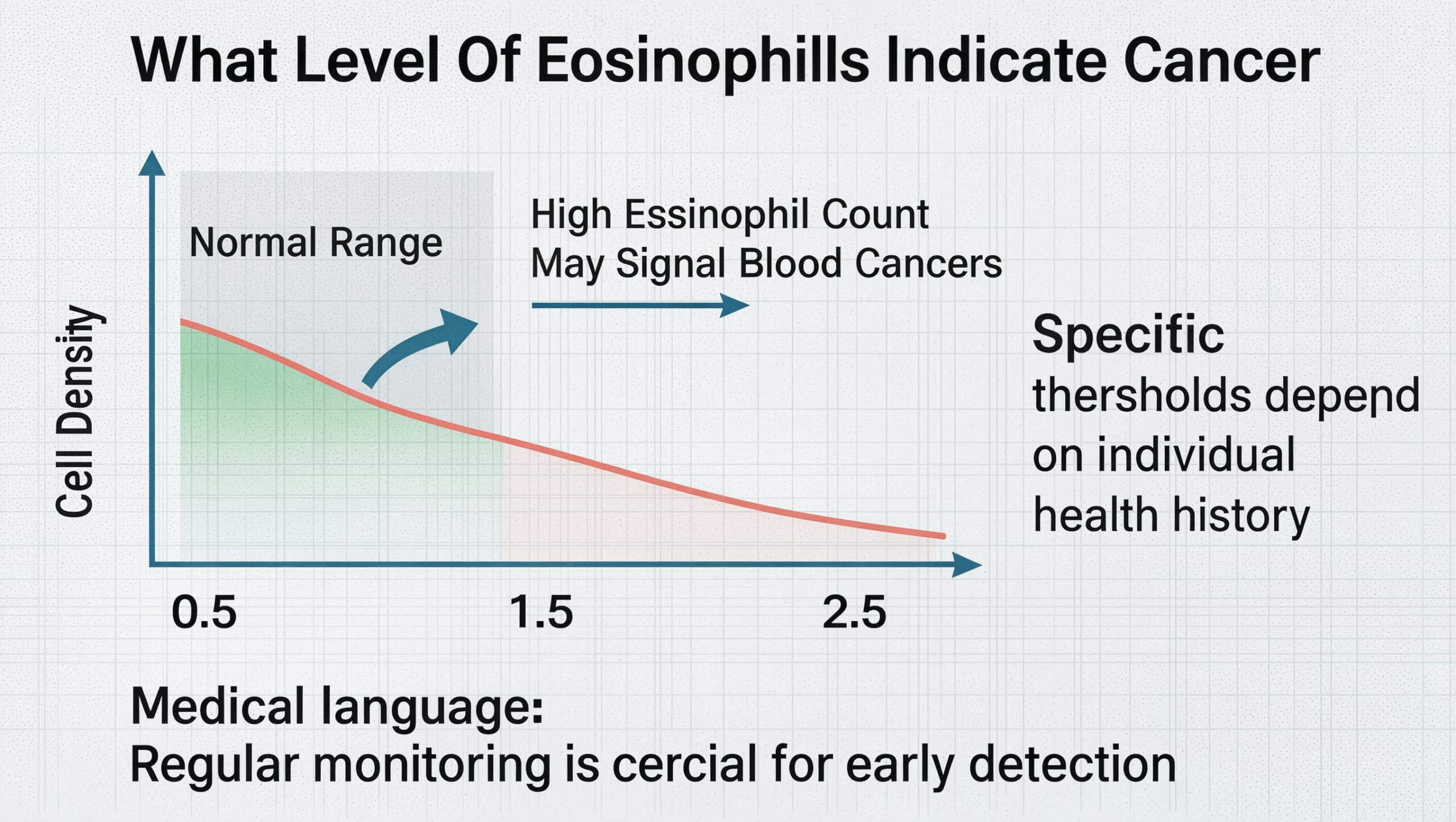
Most medical references define eosinophilia as an absolute eosinophil count above 500 cells per microliter. Merck Manual classifies eosinophilia as mild from 500 to 1,500 cells/mcL, moderate from 1,500 to 5,000 cells/mcL, and severe above 5,000 cells/mcL.
A typical range looks like this:
- Normal or expected: generally up to about 500 cells/mcL
- Mild eosinophilia: 500 to 1,500 cells/mcL
- Moderate eosinophilia: 1,500 to 5,000 cells/mcL
- Severe eosinophilia: above 5,000 cells/mcL
These ranges help doctors judge severity. They do not, by themselves, diagnose cancer.
What Level Of Eosinophils Indicate Cancer?
The direct answer is that no single eosinophil level proves cancer. What Level Of Eosinophils Indicate Cancer is a common question, but doctors do not diagnose cancer from eosinophils alone. They interpret the count alongside symptoms, repeat blood tests, the rest of the CBC, physical exam findings, medication history, allergy history, travel history, and sometimes imaging or bone marrow testing.
A mildly high count is often linked to allergic disease, asthma, eczema, medication reactions, or other non-cancer causes. Mayo Clinic lists medicine allergies and parasites among common causes of eosinophilia, and also notes that hypereosinophilia can cause organ damage in some cases.
Cancer becomes a stronger consideration when eosinophilia is persistent, unexplained, moderate to severe, rising over time, or paired with other concerning signs. Even then, the level does not “indicate cancer” on its own. It simply tells the clinician that more evaluation may be needed.
Why What Level Of Eosinophils Indicate Cancer Is Not a Standalone Question
The phrase What Level Of Eosinophils Indicate Cancer makes sense emotionally because people want a clear cutoff. Blood tests feel numerical, so it seems like there should be a number that separates “safe” from “dangerous.”
But the body does not work that neatly. A person with allergies may have a count above 500. Someone with a parasitic infection may have a much higher count. A medication reaction can push eosinophils up quickly. Some people with cancer may have normal eosinophils, while some people without cancer may have very high eosinophils.
The Pattern Matters More Than One Number
Doctors usually look for a pattern:
- Is the count mildly, moderately, or severely elevated?
- Is it new or has it been present before?
- Is it rising, falling, or stable?
- Are other blood cells abnormal?
- Are there symptoms such as fever, weight loss, night sweats, swollen lymph nodes, itching, cough, wheezing, rash, abdominal pain, or fatigue?
- Is there a clear explanation, such as allergies, asthma, a new medication, or recent travel?
A one-time mild elevation with seasonal allergies is very different from persistent eosinophilia with anemia, abnormal platelets, swollen lymph nodes, and unexplained weight loss.
Common Non-Cancer Causes of High Eosinophils
Most cases of high eosinophils are not cancer. In many people, the cause is allergic, inflammatory, infectious, or medication-related.
Allergies, Asthma, and Eczema
Allergic conditions are among the most common reasons eosinophils rise. This includes hay fever, allergic rhinitis, asthma, eczema, and some food-related allergic conditions. Cleveland Clinic explains that eosinophilia often reflects an immune response and may be linked with allergies and other inflammatory conditions.
If your high eosinophils appear during allergy season, during asthma flares, or alongside itchy skin and rashes, your clinician may first look for allergic or inflammatory explanations.
Medication Reactions
Medications can trigger eosinophilia. Sometimes this is mild. In other cases, drug reactions can be serious and involve rash, fever, liver inflammation, kidney problems, lung symptoms, or widespread immune activation.
Possible medication-related triggers can include antibiotics, anti-seizure medicines, anti-inflammatory drugs, and other prescriptions or supplements. Do not stop prescribed medication on your own without medical guidance, but do tell your doctor about every medicine, supplement, and recent injection you have used.
Parasitic Infections
Parasites are another classic cause of eosinophilia. The risk depends on travel, geography, food exposure, sanitation, animal exposure, and immune status. Mayo Clinic notes that parasites are a common cause of eosinophilia.
A doctor may ask about travel, undercooked foods, freshwater exposure, unexplained diarrhea, abdominal pain, cough, skin changes, or living in or visiting areas where parasite infections are more common.
Autoimmune and Inflammatory Conditions
Some autoimmune and inflammatory conditions can raise eosinophils. These may involve the lungs, skin, gut, blood vessels, or connective tissues. Symptoms might include wheezing, sinus problems, numbness, rash, joint pain, abdominal pain, diarrhea, or unexplained fatigue.
This is why What Level Of Eosinophils Indicate Cancer can be misleading. A high number may point toward immune activation, but the trigger may be inflammation rather than malignancy.
When High Eosinophils Can Be Linked to Cancer
Cancer-related eosinophilia is real, but it is not the most common explanation for a high eosinophil count. It may occur in certain blood cancers, lymphomas, or rarely as a reaction to substances produced by tumors.
The National Cancer Institute defines chronic eosinophilic leukemia as a disease in which too many eosinophils are found in the bone marrow, blood, and other tissues, and notes that it may remain stable for years or progress quickly to acute leukemia.
Blood Cancers and Bone Marrow Disorders
Some hematologic cancers and bone marrow disorders can involve eosinophilia. These may include certain leukemias, lymphomas, myeloid or lymphoid neoplasms with eosinophilia, and rare eosinophilic leukemias. A 2024 review in Cancers discusses hematologic neoplasms with eosinophilia and notes that eosinophilia can appear in several blood-cancer categories, though it is not the same disease process in every case.
Doctors may become more suspicious of a marrow-related disorder if high eosinophils occur with:
- Very high white blood cell count
- Abnormal immature cells on the blood smear
- Anemia
- Low or very high platelets
- Enlarged spleen
- Persistent fevers
- Drenching night sweats
- Unexplained weight loss
- Bone pain
- Easy bruising or bleeding
These findings do not automatically mean cancer, but they often justify deeper evaluation.
Lymphoma and Eosinophilia
Certain lymphomas can be associated with eosinophilia. This may happen because abnormal immune cells produce signals that stimulate eosinophil production. Symptoms that raise concern for lymphoma include painless swollen lymph nodes, fever, night sweats, unexplained weight loss, itching, fatigue, or persistent cough.
Again, the key point is context. A high eosinophil count with swollen lymph nodes and night sweats means something different from a high count during a flare of eczema or asthma.
Solid Tumors and Eosinophils
Some solid tumors have been reported with eosinophilia, but this is less straightforward. In some cancers, eosinophils may reflect an immune response around the tumor rather than being the cause of the disease. In other situations, eosinophilia may appear as part of a broader inflammatory or paraneoplastic pattern.
Because this relationship is complex, a lab number alone is not enough. If cancer is a concern, doctors rely on symptoms, examination, imaging, biopsy, and targeted testing—not eosinophils alone.
Mild, Moderate, and Severe Eosinophilia: What Each May Suggest
When people ask What Level Of Eosinophils Indicate Cancer, it helps to understand how clinicians think about severity.
Mild Eosinophilia: 500 to 1,500 Cells/mcL
Mild eosinophilia is common and often reactive. Allergies, asthma, eczema, mild medication reactions, and some infections may fall into this range. Merck Manual notes that mild eosinophilia itself does not usually cause symptoms.
If you feel well and the rest of your CBC is normal, your doctor may simply repeat the test, review medications, and look for common causes.
Moderate Eosinophilia: 1,500 to 5,000 Cells/mcL
Moderate eosinophilia deserves more attention, especially if it persists. Counts at or above 1,500 cells/mcL are often discussed in relation to hypereosinophilia, particularly when repeated or associated with organ involvement. Merck Manual notes that levels at or above 1,500 cells/mcL may cause organ damage if they persist.
At this level, doctors may look more carefully for allergic disease, parasitic infection, autoimmune disease, medication reaction, eosinophilic gastrointestinal disease, lung disease, and hematologic causes.
Severe Eosinophilia: Above 5,000 Cells/mcL
Severe eosinophilia is more concerning and should be evaluated promptly. It still does not automatically mean cancer, but the range raises the possibility of significant inflammatory disease, parasitic infection, drug reaction, hypereosinophilic syndrome, or a blood or marrow disorder.
If severe eosinophilia is found, especially with symptoms, the next steps may include urgent clinical review, repeat CBC, peripheral blood smear, organ-function tests, infection testing, imaging, and hematology referral.
Symptoms That Make High Eosinophils More Concerning
A high eosinophil count is more important when it comes with symptoms that suggest organ inflammation, infection, or a blood disorder.
Call a healthcare professional if high eosinophils are paired with:
- Fever that does not have a clear cause
- Drenching night sweats
- Unexplained weight loss
- Painless swollen lymph nodes
- Severe fatigue
- Shortness of breath or wheezing
- Chest pain
- New rash, swelling, or facial puffiness
- Persistent abdominal pain or diarrhea
- Numbness, weakness, or nerve symptoms
- Easy bruising or bleeding
- Recurrent infections
- Enlarged spleen or fullness under the left ribs
These symptoms are not specific to cancer. They can also occur with infections, immune conditions, medication reactions, and other illnesses. But they are strong reasons not to ignore the result.
What Doctors Check Besides Eosinophils
A CBC is more than one number. When a report shows eosinophils high, clinicians usually look at the entire blood picture.
White Blood Cell Count
The total white blood cell count can show whether the immune system is broadly activated. A normal total white count with mild eosinophilia may be less concerning than a very high white count with multiple abnormal cell types.
Hemoglobin and Red Blood Cells
Low hemoglobin may suggest anemia. Anemia alongside eosinophilia can happen for many reasons, but if it is unexplained, persistent, or severe, it may prompt additional evaluation.
Platelet Count
Platelets help the blood clot. Very low platelets can increase bleeding risk, while very high platelets may occur with inflammation, iron deficiency, or some marrow disorders. Eosinophilia plus abnormal platelets may need closer review.
Blood Smear
A peripheral blood smear lets trained professionals look at blood cells under a microscope. This can help identify abnormal shapes, immature cells, blasts, or patterns that automated machines may not fully explain.
Repeat Testing
One abnormal result may be temporary. A repeat CBC can show whether eosinophils are falling, staying the same, or rising. Trends often matter more than one isolated number.
Questions to Ask Your Doctor
If your lab report has you asking What Level Of Eosinophils Indicate Cancer, bring the conversation back to specifics. Helpful questions include:
- What is my absolute eosinophil count?
- Is my eosinophilia mild, moderate, or severe?
- Were my eosinophils high on previous blood tests?
- Are my white blood cells, hemoglobin, and platelets normal?
- Could allergies, asthma, eczema, medication, or infection explain this?
- Do I need a repeat CBC?
- Do I need a blood smear?
- Should I be tested for parasites or inflammatory disease?
- Are there symptoms that should make me seek urgent care?
- Should I see a hematologist?
These questions help your clinician explain the finding in context instead of reducing it to one scary number.
When to Ask About a Hematology Referral
A hematologist is a doctor who specializes in blood disorders. You may not need one for a mild, explainable eosinophil increase. But referral may be considered when eosinophilia is persistent, moderate to severe, unexplained, or associated with other abnormal blood results.
A referral is more likely if there are abnormal cells on smear, anemia, platelet abnormalities, enlarged spleen, swollen lymph nodes, constitutional symptoms, or signs that eosinophils may be affecting organs.
The phrase What Level Of Eosinophils Indicate Cancer often leads people straight to the worst-case scenario. A hematology referral does not mean cancer has been found. It means the pattern deserves expert interpretation.
What Not to Do After Seeing High Eosinophils
Do not panic from a single flagged result. Do not assume cancer. Do not start supplements, parasite cleanses, leftover antibiotics, or steroid medications without medical advice. Do not ignore symptoms because you found a possible benign explanation online.
Also, avoid focusing only on the eosinophil percentage. Ask for the absolute eosinophil count. That is usually the number that gives a clearer picture.
How to Prepare for Your Appointment
Before your visit, gather details that help explain the result:
- Recent illnesses
- Allergy or asthma flare-ups
- Skin rashes or eczema changes
- New medications or supplements
- Antibiotics taken in the past few months
- Travel history
- Animal or parasite exposure
- Digestive symptoms
- Fevers, night sweats, or weight loss
- Old CBC results, if available
A clear history can prevent unnecessary worry and help your clinician choose the right tests.
FAQ
What Level Of Eosinophils Indicate Cancer on a CBC?
No specific eosinophil level confirms cancer. Eosinophilia is generally defined as an absolute eosinophil count above 500 cells/mcL, but this can happen for many reasons. Cancer is considered more strongly when eosinophilia is persistent, unexplained, moderate to severe, or paired with concerning symptoms or other abnormal blood results.
Is 500 eosinophils high?
An absolute eosinophil count above about 500 cells/mcL is commonly considered eosinophilia. A count around this level is usually mild and is often related to allergies, asthma, eczema, medication reactions, or infection rather than cancer.
Is 1,500 eosinophils dangerous?
A count around 1,500 cells/mcL is the threshold where eosinophilia becomes moderate and may be described as hypereosinophilia if it persists. Merck Manual notes that persistent levels at or above 1,500 cells/mcL may cause organ damage in some cases.
Is 5,000 eosinophils a sign of cancer?
Not necessarily. A count above 5,000 cells/mcL is severe eosinophilia and should be evaluated promptly, but it still does not prove cancer. Severe eosinophilia may occur with drug reactions, parasites, immune disorders, hypereosinophilic syndromes, and some blood or marrow diseases.
Can allergies cause very high eosinophils?
Yes, allergic diseases can raise eosinophils, especially asthma, eczema, allergic rhinitis, and some eosinophilic gastrointestinal conditions. However, very high or persistent eosinophils should still be discussed with a clinician to rule out other causes.
Which cancers are linked with high eosinophils?
Some leukemias, lymphomas, myeloid or lymphoid neoplasms with eosinophilia, and rare chronic eosinophilic leukemia can be linked with high eosinophils. The National Cancer Institute describes chronic eosinophilic leukemia as a disease with too many eosinophils in the bone marrow, blood, and other tissues.
Can high eosinophils go back to normal?
Yes. If the cause is temporary, such as an allergy flare, infection, or medication reaction, eosinophils may return to normal once the trigger improves or is treated. Repeat testing helps show whether the count is resolving.
Should I worry if only my eosinophil percentage is high?
Not always. The percentage can look high depending on the total white blood cell count. Ask about the absolute eosinophil count, because that is usually more useful for deciding whether eosinophilia is truly present.
When should high eosinophils be checked urgently?
Seek prompt medical advice if high eosinophils come with chest pain, shortness of breath, fainting, severe rash or swelling, high fever, confusion, severe abdominal pain, weakness, unexplained weight loss, night sweats, swollen lymph nodes, or abnormal bleeding.
Conclusion
It is completely understandable to ask What Level Of Eosinophils Indicate Cancer when your blood test is flagged. But eosinophils are not a simple cancer detector. A high count is a clue, not a diagnosis.
Mild eosinophilia is often linked to allergies, asthma, eczema, medication reactions, or infections. Moderate or severe eosinophilia, especially when persistent or unexplained, deserves a more careful look. Cancer is one possible cause in certain patterns, particularly with abnormal CBC findings, swollen lymph nodes, night sweats, weight loss, or signs of bone marrow disease.
The smartest next step is not to guess from the number alone. Look at the absolute eosinophil count, compare it with the rest of the CBC, note your symptoms, and ask your healthcare professional whether repeat testing, a smear, infection testing, or hematology review is needed. A lab result can be scary, but with the right context, it can also be the first step toward a clear and manageable answer.